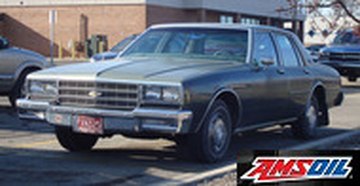
Engine Lubrication and Maintenance for the 1981 Chevrolet IMPALA 4.4L
Maintaining a vehicle from the early 1980s requires a proactive approach to fluid management and mechanical inspection. For owners of the 1981 Chevrolet IMPALA equipped with the 4.4L engine, consistent attention to lubrication systems is a fundamental aspect of long-term preservation. Because older engines operate under different thermal and mechanical stresses than modern counterparts, understanding how to monitor and service these components is essential for reliable operation.
Monitoring Fluid Integrity and Consumption
One of the most effective ways to gauge the health of an engine is through regular observation of its lubricant. Rather than waiting for a warning light or a significant mechanical change, owners should establish a routine for checking fluid levels and condition. Changes in how much oil the engine uses over a specific period can be an important indicator of internal or external changes.
When performing these checks, look for several key indicators:
- Visual Appearance: The color and clarity of the lubricant can provide clues about its state. While used oil naturally darkens, extremely thick or gritty textures may warrant closer investigation.
- Fluid Levels: Regularly checking the dipstick ensures that the engine is operating with the correct amount of lubricant. Significant fluctuations in level between service intervals should be noted and investigated.
- External Seepage: Inspecting the area around the engine for signs of wetness or residue can help identify where seals or gaskets may be aging. Even small amounts of seepage should be monitored to prevent larger issues later.
It is important to remember that various factors, including driving habits and environmental conditions, can influence how an engine consumes lubricant. If you notice a sudden change in consumption patterns, it is wise to investigate the cause rather than simply adding more fluid.
Prioritizing Maintenance Based on Current Condition
For a vehicle of this age, maintenance should be driven by the actual condition of the components rather than just the passage of time. While following a general service schedule is helpful, a more effective strategy involves assessing the specific needs of your 1981 Chevrolet IMPALA. This means distinguishing between routine preventive tasks and repairs necessitated by visible wear.
If you are stepping into ownership of this vehicle without a complete service history, establishing a maintenance baseline is a logical first step. This involves performing a thorough inspection of all major service points to understand the current state of the engine and its supporting systems. Once a baseline is established, you can prioritize tasks based on urgency:
- Immediate Concerns: Address any active leaks, unusual noises, or evidence of overheating first.
- Preventive Maintenance: Once the vehicle is stable, focus on scheduled fluid changes and the inspection of age-sensitive components like hoses or belts, if equipped.
- Long-Term Monitoring: Keep a detailed log of all completed repairs, fluid types used, and any observations regarding how the engine behaves under different loads.
By focusing on condition-based maintenance, you avoid unnecessary parts replacement while ensuring that critical issues are addressed before they escalate into more complex mechanical failures.
Inspecting Aging Engine Components
As vehicles age, the materials used in various gaskets, seals, and connections can undergo changes. For the 1981 Chevrolet IMPALA, periodic visual inspections of the engine bay can reveal much about the integrity of these components. Rather than assuming a part has failed, look for evidence that suggests it may be nearing the end of its service life.
When inspecting the engine area, pay attention to the following:
- Gaskets and Seals: Look for signs of seepage or staining around various connection points. While a small amount of residue is common in older engines, persistent wetness can indicate a seal that requires attention.
- Hoses and Connections: If equipped, inspect any visible hoses for signs of cracking, softening, or bulging. Maintaining the integrity of these components is vital for proper thermal management.
- Electrical Integrity: Check accessible wiring and electrical connectors for signs of fraying, corrosion, or loose connections, which can affect engine performance and sensor accuracy.
A systematic approach to these inspections allows you to catch minor issues early. This is especially useful when trying to differentiate between normal aging and a component that is actively failing.
The Role of Lubrication in Engine Longevity
Engine oil performs several vital roles that extend far beyond simple lubrication. In any internal combustion engine, the lubricant acts as a primary medium for managing heat and controlling the buildup of contaminants. For an engine like the 4.4L found in this Chevrolet, maintaining high-quality lubricant is essential for reducing friction between moving parts.
Effective lubrication helps to manage the thermal loads generated during operation, carrying heat away from critical areas. Furthermore, modern oil formulations are designed with advanced additives that help prevent the formation of deposits and sludge. These deposits can accumulate over time, potentially affecting the efficiency of various engine components. By ensuring that the lubricant is changed according to a consistent schedule, you help maintain the chemical stability of the fluid and its ability to protect the engine from internal wear.
Practical Steps for Long-Term Ownership
Successful long-term ownership of a classic vehicle like the 1981 Chevrolet IMPALA relies heavily on documentation. Keeping a dedicated service log is one of the most valuable tools an owner can possess. This record should include not only the dates and mileage of oil changes but also any observations made during routine inspections.
Documenting things such as "noted slight seepage near the front seal" or "observed increased consumption in July" allows you to track trends over months and years. This data becomes invaluable when diagnosing new symptoms, as it provides a historical context that a single inspection cannot offer. It also helps in determining whether a change in engine behavior is a sudden event or a gradual progression.
Buying Engine Oil for the 1981 Chevrolet IMPALA 4.4L
When it is time to replenish your lubricant, the most important step is to ensure that the product you select matches the specific requirements of your engine. Because different engines have unique tolerances and operating characteristics, you should never rely on general automotive knowledge or assumptions based on the vehicle's age alone.
To make an informed purchase for your 1981 Chevrolet IMPALA 4.4L, follow these guidelines:
- Consult Application Data: Always match the engine oil to the application-specific viscosity and requirements already displayed on this webpage.
- Verify Product Labels: Before completing a purchase, check the container label to ensure the SAE viscosity and API service classifications align with the information provided for your specific vehicle.
- Consider Formulations: Depending on your engine's current condition and mileage, you may choose between conventional, synthetic blend, or full synthetic oils. Some high-mileage formulations also include seal-conditioning additives that are intended for use in aging engines.
By strictly adhering to the application information provided here, you ensure that the lubricant you provide is appropriate for the mechanical needs of your 4.4L engine.